Term Plan for Salaried
Buy Online
Term Insurance

So you are thinking about starting something of your own in 2027. Good. But there is one worry that stops most people right at the start line, and that worry is risk. Nobody wants to put their savings into something that might just... not work out. That is exactly why more and more people are searching for Low-Risk Business Ideas, ideas that need less money upfront and come with a smaller chance of losing everything.
By submitting your details, you agree to PNB MetLife's Privacy Policy and authorize PNB MetLife and/or its authorized service providers to verify the above information and/or contact you to assist you with the policy purchase and/or servicing. You have the option to opt-out of this contact authorization by un-checking the box. The authorization provided by you herein will supersede all earlier authorizations/registrations made by you in this regard.
The good news? India in 2027 is actually a good time for this. Digital payments are everywhere, small business loans are easier to get, and consumers are willing to try new local brands and services. This guide is going to walk you through practical, low-investment business ideas, how much they typically cost to start, what kind of returns you can expect, and how to actually get moving instead of just planning forever.
Before jumping into the list, let us understand why this approach works so well for most first-time entrepreneurs.
A lot of people assume that a bigger investment means bigger success. That is not always true. In fact, many big businesses in India started as small businesses with low investment and grew slowly, step by step, once the founder understood the market properly.
Here is what makes low-cost business models smart for 2027:
There is also something practical here that people forget. When you are building any kind of business, even a small one, you are also building an income stream that eventually needs proper financial planning. Things like tax filings, savings, and insurance become just as important as the business idea itself. We will come back to this later in the guide.
Before picking an idea, there is groundwork that most people skip, and this skipping is why so many small businesses fail in their first year.
Do not just think about how much you have. Think about how much you can afford to lose without it affecting your rent, your family expenses, or your emergency fund. A safe rule many financial planners suggest is to only use money you could survive without for six months.
This sounds obvious, but people ignore it constantly. If you know nothing about food, do not jump into a cloud kitchen just because it looks profitable online. Pick something connected to your skills, your network, or your genuine interest.
Talk to at least 20 to 30 potential customers before spending money on inventory, shop rent, or equipment. Ask them if they would actually pay for what you are planning to sell. Their honest answer will save you a lot of pain later.
Your first version of the business does not need a fancy logo, a website, or premium packaging. It needs to work. Polish comes later, once money starts flowing in.
Now, let us get into the actual ideas. These have been picked keeping in mind low starting cost, manageable risk, and real demand across Indian cities and towns.
Here is a quick comparison table so you can decide what fits your situation best.
| Business Idea | Starting Cost (Approx) | Skill Needed | Time to First Income |
| Tiffin Service | Rs 15,000-40,000 | Cooking | 1-2 weeks |
| Dropshipping/Reselling | Rs 5,000-20,000 | Social media | 2-4 weeks |
| Tuition Classes | Rs 0-10,000 | Subject expertise | Immediate |
| Repair Service | Rs 20,000-50,000 | Technical training | 2-3 weeks |
| Snacks/Pickles | Rs 10,000-30,000 | Cooking | 1-2 weeks |
| Freelancing | Rs 0-5,000 | Writing/design | Immediate |
| Cleaning Service | Rs 10,000-25,000 | Management | 1 week |
| Event Decoration | Rs 15,000-35,000 | Creativity | 2-3 weeks |
| Laundry Service | Rs 20,000-50,000 | Coordination | 1-2 weeks |
| Book Rental Store | Rs 15,000-30,000 | Organization | 2-4 weeks |
Let us be real for a second. Most first time business owners in India make similar mistakes, and it is worth knowing them upfront.
This part is where a lot of guides stop, but this is the part that decides whether your business becomes a real, lasting source of financial security or just a side hustle that fizzles out.
The moment your business starts generating income, tax planning is not optional anymore. Many first-time business owners underestimate their liability and get a shock during filing season. Using an Income Tax Calculator early on helps you understand roughly how much tax you will owe, so you can set that money aside instead of spending it all.
It is tempting to reinvest every rupee back into the business, and while growth matters, do not forget your own financial cushion. Building long-term savings alongside your business income means you are not putting all your financial future into one basket, which is the whole point of choosing a low-risk path in the first place.
Business owners have different tax rules compared to salaried people, including deductions, expense claims, and advance tax rules. Reading up on proper Tax Planning For Business early can genuinely save you lakhs over a few years, and it also keeps you compliant, which matters more than people realise until they get a notice.
If reading all this feels overwhelming, here is a simplified plan to actually get started.
Days 1 to 15: Pick your idea, talk to potential customers, and finalise your budget
Days 16 to 30: Register your business (even a basic Udyam registration helps), set up a separate bank account, and arrange your initial stock or tools
Days 31 to 60: Launch quietly, get your first 10 to 20 customers, and gather feedback aggressively
Days 61 to 90: Refine based on feedback, start basic marketing, and set up a simple system for tracking income and expenses
Starting small does not mean thinking small. Some of India's most successful businesses today began exactly this way, with a modest budget, a clear idea, and a founder who was careful about risk. Whatever you choose from this list, remember that the real goal is not just making money today, it is building something that gives you and your family long term financial security.
Building a business is one part of the equation. Planning around it is the other: your savings, your protection, what happens to your family if things don't go as expected. That's where PNB MetLife comes in. PNB MetLife offers savings and protection plans for every individual. Browse PNB MetLife's savings and protection plans and give your business the financial cushion it deserves!
A few options actually. Freelancing, tuition classes, small scale reselling, these mostly run on your skill and time, not on heavy equipment, so Rs 10,000 is often more than enough.
Technically yes, once your turnover crosses a certain threshold. Getting Udyam or GST registration isn't just a formality either, it protects you legally and makes things like bank loans far less painful down the line.
Service-based ones tend to win here. Tuition, freelancing, and cleaning services all of these need very little inventory upfront, which cuts down your risk significantly.
Not right away, no. Most people who succeed at this start on the side, alongside their regular job, and only make the full switch once income becomes steady and predictable.
It's rarely about how much money you put in. Inconsistent demand and poor cash flow management tend to sink these businesses far more often than the initial investment amount does.
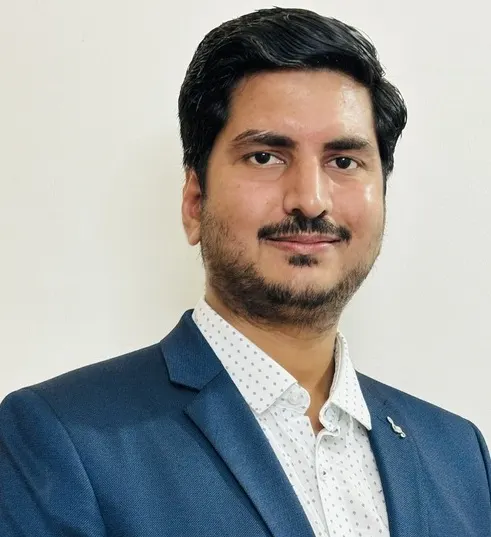
Piyush Kataria, SEO Manager at PNB MetLife, is a seasoned digital marketing strategist with over a decade of experience in optimizing websites for search engines. His expertise extends to keyword research, content strategy, technical SEO, and link building, all of which have been instrumental in driving organic traffic growth at PNB MetLife. With a strong foundation in life insurance, Piyush leverages his industry knowledge to create targeted and effective SEO campaigns.

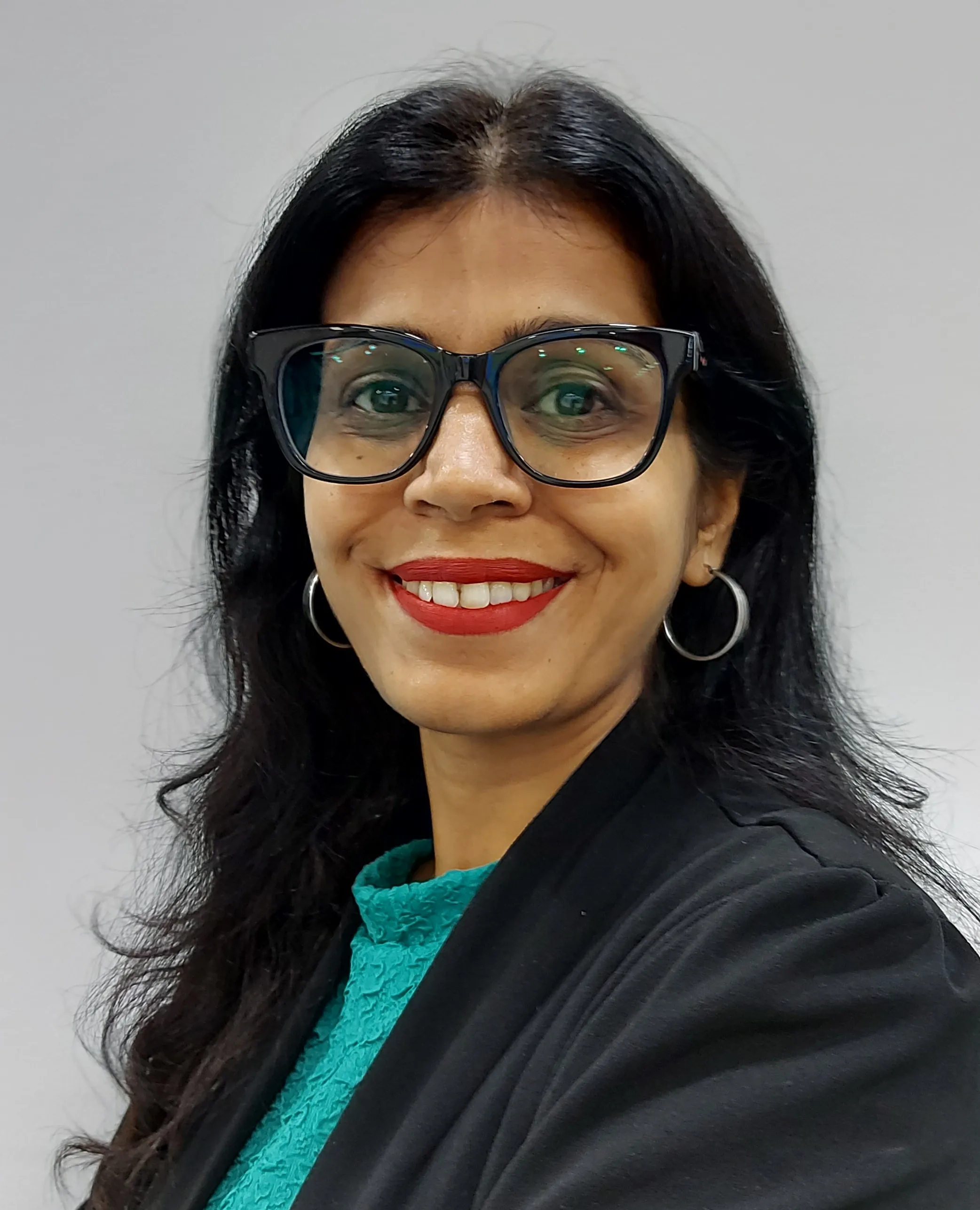
Sakshi Malhotra is a seasoned marketing professional associated with the Life Insurance industry since 2007. At PNB MetLife, she heads Digital Marketing and Direct to Customer line of business. She is responsible for driving effective customer engagement through the company’s website and social media channels. In addition, she drives customer online buying journeys to help them buy the right product.
Disclaimer:
The aforesaid article presents the view of an independent writer who is an expert on financial and insurance matters. PNB MetLife India Insurance Co. Ltd. doesn’t influence or support views of the writer of the article in any way. The article is informative in nature and PNB MetLife and/ or the writer of the article shall not be responsible for any direct/ indirect loss or liability or medical complications incurred by the reader for taking any decisions based on the contents and information given in article. Please consult your financial advisor/ insurance advisor/ health advisor before making any decision.
PNB MetLife India Insurance Company Limited
Registered office address: Unit No. 701, 702 & 703, 7th Floor, West Wing, Raheja Towers, 26/27 M G Road, Bangalore -560001, Karnataka
IRDAI Registration number 117 | CIN U66010KA2001PLC028883
For more details on risk factors, please read the sales brochure and the terms and conditions of the policy, carefully before concluding the sale.
Tax benefits are as per Income Tax Laws in force & are subject to amendments made thereto from time to time. Please consult your tax consultant for more details.
Goods and Services Tax (GST) if applicable, levied at prevailing rate subject to change from time to time.
The marks "PNB" and "MetLife" are registered trademarks of Punjab National Bank and Metropolitan Life Insurance Company, respectively. PNB MetLife India Insurance Company Limited is a licensed user of these marks.
Call us Toll-free at 1-800-425-6969, Website: www.pnbmetlife.com, Email: indiaservice@pnbmetlife.co.in or Write to us: 1st Floor, Techniplex -1, Techniplex Complex, Off Veer Savarkar Flyover, Goregaon (West), Mumbai – 400062, Maharashtra.
| Beware of Spurious Phone Calls and Fictitious / Fraudulent Offers! IRDAI or its officials is not involved in activities like selling insurance policies, announcing bonus or investments of premium. Public receiving such phone calls are requested to lodge a police complaint. |
 Get Trusted Advice
Ask khUshi

Hi! I’m khUshi. How can I help you?